I’m VibePapa — 60 years old, by the Boseong River in rural Korea, with no coding background. Yet eight apps run on one small NAS in my home: worship, parenting, learning — no ads, no hosting bills. This is how I build them with AI, one small fix at a time.
The Page Order Didn't Need AI. I Just Hadn't Noticed.
I scan my daughter’s picture books, page by page, so she can flip through them on a tablet the same way she flips through the paper ones. Turning a folder of page photos into something that reads like an actual book means two things: straightening out crooked, badly cropped scans, and getting the pages into the right order — cover first, then left-right spreads, back cover last. I asked Claude Code to do both. It could do both. But doing both, every time, on every new book, was burning through my usage far faster than the work seemed to justify. ...
My Daughter Asked Me to Draw a Shark. I Can't Draw, So I Vibe-Coded One Instead.
My daughter asked me to draw her a shark. I can’t draw. What I can do is open Claude Code and describe what I need, so that’s what I did — and it turned into a small, ongoing project of making coloring pages for a 3-year-old. The Need: A Blank Page, on Demand Store-bought coloring books run out, and they’re never quite the right animal on the right day. My daughter wanted a shark family — a papa shark, a baby shark — right then, not the next time we happened to be at a bookstore. What I actually needed was a way to turn “draw me a shark” into a printable page in a few minutes, using tools I already had open. ...

She Finds the Song by Spotting the Bird in the Rice Paddy First
Most of the 36 pictures in part one got one AI generation and, at most, one round of revisions — generate, glance, done. One took five. It’s 오빠 생각, “Thinking of My Brother,” an old Korean folk song, the kind of thing grandparents still hum — and one of the few songs in that whole library I’ve actually sung to my daughter myself, at bedtime, not just something we play from a folder. ...

Ten Verses, Ten Pictures: Giving a Bible for a Three-Year-Old to Look Through
I have a set of Korean children’s Bible verse audios. It’s a set of 10 short verses. Each verse is set to a simple song. This helps with memorization. This set was in a folder structure, just like the nursery rhymes I talked about in Part 1. It had the actual audio files and a list of titles. A three-year-old child cannot read these titles. The idea of one picture per item already worked once. So, this became the next clear candidate. Honestly, this was the part I cared about most. ...

Choosing the Song Herself, Before She Can Read a Single Word
My daughter is three. She can’t read yet, which means for months there was a whole folder of songs in her Kids Player that only I could operate. She’d point at the tab, I’d scroll the list of titles, and she’d wait for me to land on the right one. She could listen to the songs. She just couldn’t choose one herself. That’s a small thing, but it bothered me more than I expected. Everything else in her player — her audiobook sets, her story tab — she already drives on her own, by tapping a cover image. This one folder of family and folk songs was the exception, and the only reason was that it had titles instead of pictures. ...
I Asked AI to Add One Object to a Picture. It Deleted Four Others.
I asked for a hunter’s pistol to become a rifle. Everything else in the picture stayed exactly the same — same animals, same background, same pose. Clean, one-item edit. A few days later I asked for two things in the same request: add a conch shell that belongs in the scene, and remove a child who shouldn’t be in it. Half the animals the song’s lyrics called for vanished. Nothing I’d asked to touch. ...
Turning a Stack of Scanned Sermon Pages Into a Searchable PDF
I did this once already for audio. Transcripts turned hundreds of hours of recordings into something you could search — type a phrase, jump straight to the moment. This time the black box wasn’t audio. It was paper. The Need: A Book You Can’t Search We have a set of printed booklets — a sermon series, scanned page by page from the original book. The content is good. The problem is the same problem the audio had before transcription: you remember there’s a page about a certain verse, but not which of the hundred-plus pages it’s on. A scanned book is just a folder of JPGs. You can look at every page, one at a time, or you can give up and guess. ...
The fourth tab, the same engine, and new rules for video
My daughter got a new set of picture books. Each book came with an audio story and a short song. You had to use a code printed inside the book to unlock them. I have made something similar for her Kids Player three times before. This was the fourth time. It was also the fastest so far. And it had one new, unexpected twist. What I Needed: A New Bookshelf, The Same Old Problems The rest of my daughter’s Kids Player already works the way I want it to: You tap a cover to hear a story. There is no autoplay. There are no algorithms. Nothing plays that she did not choose. This new set of picture books deserved the same treatment. But on the vendor’s own web page, everything was set to video by default. Some of it was okay. It was not what I wanted for everything. ...

She Started Asking to Go Home Early — For the New Songs
Four parts in, the pictures existed, the tool worked, and the questions I’d been carrying about copyright were settled. This last part is about what actually happened once my daughter got her hands on it. Once the song tab had pictures, did she actually use it the way you hoped? More than I hoped, honestly. Tapping through pictures to find “her” song became a favorite activity on its own — separate from actually listening to anything. She’d flip through several before settling on one, the same way she flips through book covers on the other tabs. ...
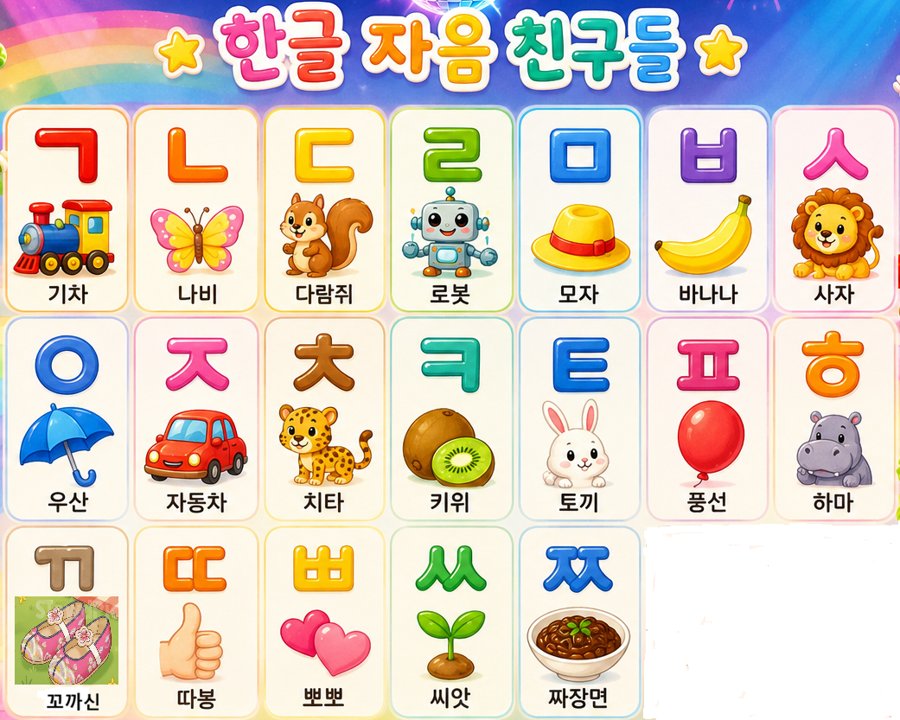
The App Is Private. I Still Chose to Draw Everything From Scratch.
Part three was about the tools that actually made the pictures. This part is shorter, and it’s less about code than about a decision I made along the way. The Kids Player has always been private — your family, your NAS, a password on every new device. So copyright wasn’t really the issue here? Right, and I should be clear about that up front. Because it’s a private, password-gated app for my own family, I could have reused existing footage — a frame grabbed from a video of the song — the same way I already do for the audio side of the library. Nothing about that would have been a legal problem for a personal app like this. ...