I thought I was done.
The tablet was in his hands. The ownership was his — his domain, his account, his server. A lifetime of teaching, gathered and searchable. I’d built a legacy and given it away. The end.
And then, at that very handover, the eighty-year-old man told me what was missing.
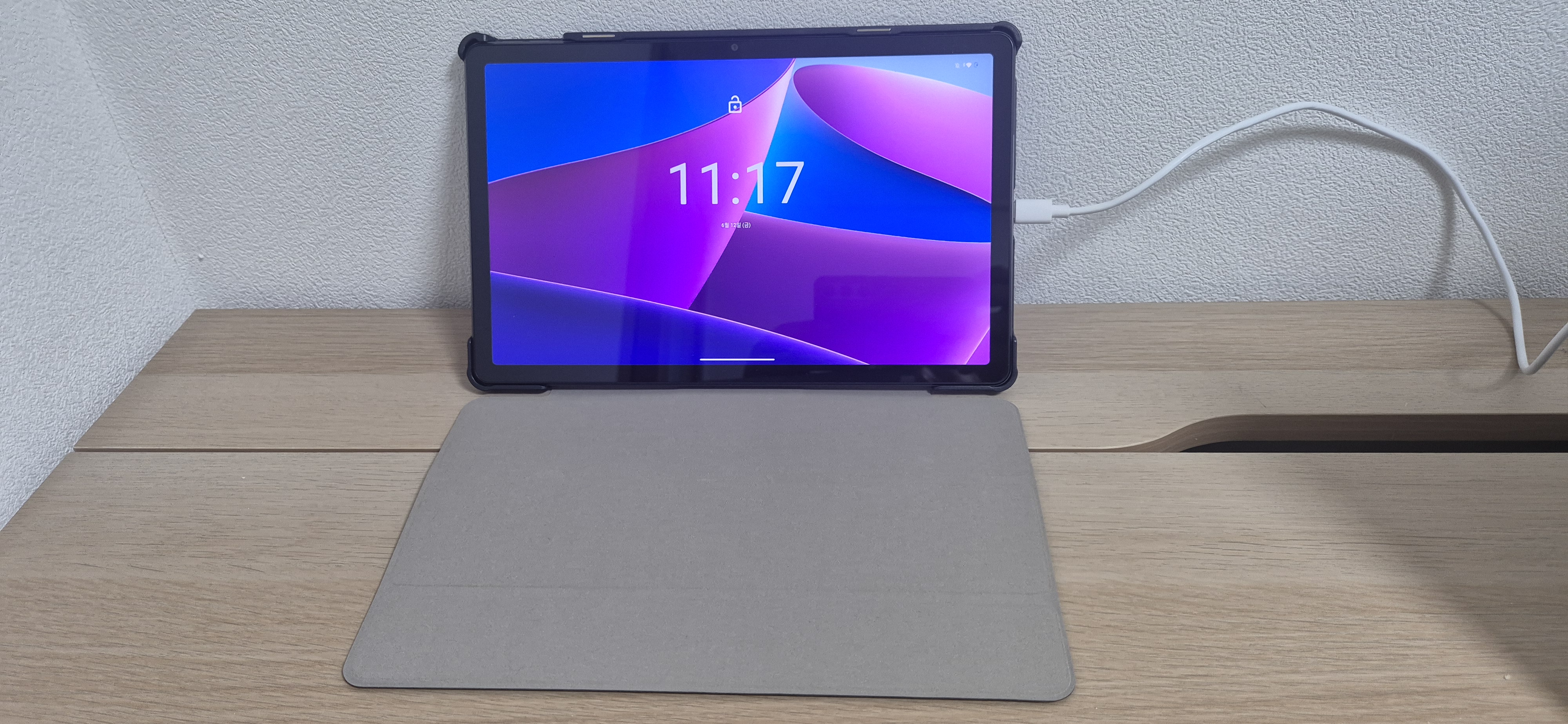
There were teachings, he said, that we didn’t have — recordings that belonged in his life’s work but weren’t in our collection. He knew, because it’s his life’s work, and no one knows it better than the man who lived it. So the “finished” gift wasn’t finished. The tablet is back on my desk right now, plugged in, getting its update. On Sunday I hand it back: Version 2.0.
The Best Feedback Comes From the Person You Built It For
There’s a lesson here that goes beyond this one project.
I’d gathered what we had — my wife’s collection, built over years. I thought it was complete. But the subject of the legacy is also its best editor. He looked at what I’d put together and saw the gaps right away, because the full shape of his teaching lives in his memory, not in our folder. He named recordings we’d never had.
That’s about the most useful feedback there is: not “make it prettier,” but “here is what’s actually missing.” It can only come from the person closest to the thing. And it turned a one-time gift into something we made together — the legacy shaped, in part, by the man whose legacy it is.
What Went Into Version 2.0
So I did the work again, on a smaller scale. I gathered the teachings he’d pointed to — more than ninety more recordings we hadn’t had — and ran them through the same pipeline I’d built across this series:
- Added them to the library on the tablet.
- Transcribed every one, speakers separated, the same way as the rest.
- So that all of it — old and new — is searchable as one body of work.
This is where building it right the first time paid off. Because the engine already existed, Version 2.0 wasn’t a rebuild — it was just more. New recordings went into the same machine. The hard work, done once, took the additions without complaint.
And here’s the detail from the post on cloning: because the tablet is a separate copy out in the world, I couldn’t push this update remotely. I had to get the device back in my hands. That’s literally why it’s on my desk this week. On Sunday, at church, I give it back — fuller than before.
(As always: these are legally-held recordings of his own teaching, kept in a private, password-protected app. The same care applies to the new ones.)
This Is What This Blog Is About
If you’ve read my other posts, you know the line I keep coming back to: my software is never finished. It grows a little every week, because my family and I actually use it, and using something is how you find what’s wrong with it.
This is the first entry in what I’ll call a Friction Log — a format I’ll come back to. The idea is simple: this is what didn’t work this week, and this is what I added to fix it. Most technology writing shows you the finished, polished thing. I’d rather show the other side — the unfinished, still-changing reality of software that someone uses every day.
Version 2.0 of this legacy is a good first example. The “finished” gift produced its own next version the moment it met the person it was for. That’s not a planning failure. That’s just what it looks like when something is actually in use. A mass-produced app ships and freezes; a personal one keeps changing.
Where the Series Lands
Ten posts ago, this started as a small convenience: my wife’s morning recordings were a mess, and I built her an app in a day. I had no idea where it would go.
It became a way of learning in the age of AI — collecting names from my brother at the farm and pulling them off the shelf when a need appeared. It became a tablet quietly acting as a Linux server, bought for less than a third the price of a laptop. It became transcription and search and a clone and, in the end, a legacy owned outright by the eighty-year-old man it was built to honor.
And it still isn’t finished. On Sunday it gets fuller. Someday there will be a Version 3.0, because there usually is.
That’s the real story here — not a sixty-year-old who built one clever thing, but one who keeps building, fixing, and adding, because the software lives in a real life, and real lives keep moving. If that’s a story you’d like to follow, please subscribe. There’s always a next version.
Key Takeaways
- I thought the legacy was finished; the person I built it for saw what was missing right away.
- The best feedback comes from the one closest to the thing — “here’s what’s actually missing,” not “make it prettier.”
- Version 2.0 added more than ninety recordings through the same transcribe-and-search pipeline — building it right once made the additions easy.
- A clone in the field can’t be updated remotely; I had to get the tablet back, which is why it’s on my desk this week.
- Personal software is never “done” — this is the first of an ongoing Friction Log: what broke this week, and what I added to fix it.